
Global Pet Food Antioxidants Market - Size and Forecast Analysis, 2021-2035
The Global Pet Food Antioxidants Market was valued at USD 134.5 Million in 2024 and is projected to reach USD 193.8 Million by 2033 at a CAGR of around 4.14% between 2024 and 2033. The global pet food antioxidants market is driven by rising pet ownership and growing awareness of pet health. Higher disposable incomes have increased spending on premium pet food. Concerns about pet obesity and chronic diseases have led to demand for natural antioxidants. However, strict regulatory approvals for pet food additives act as a restraint. Compliance with safety standards adds to production costs. Opportunities exist in the growing trend of clean-label pet food. Natural antioxidants like rosemary extract and vitamin E are preferred by pet owners.
Innovation in antioxidant blends for breed-specific nutrition is another opportunity. Brands focus on customized formulations for different pet needs. For example, small breed dogs require higher antioxidant intake due to faster metabolism. Companies invest in research to enhance product effectiveness. Functional pet food enriched with antioxidants is gaining traction. The rise of e-commerce further fuels market growth. Consumers prefer online platforms for convenient pet food shopping. Brands use digital marketing to educate pet owners on antioxidant benefits. Real-life examples include Blue Buffalo’s Life Protection Formula with vitamin E and C. Hill’s Science Diet offers antioxidant-rich food for immune support. Such innovations continue to shape the pet food antioxidants market.
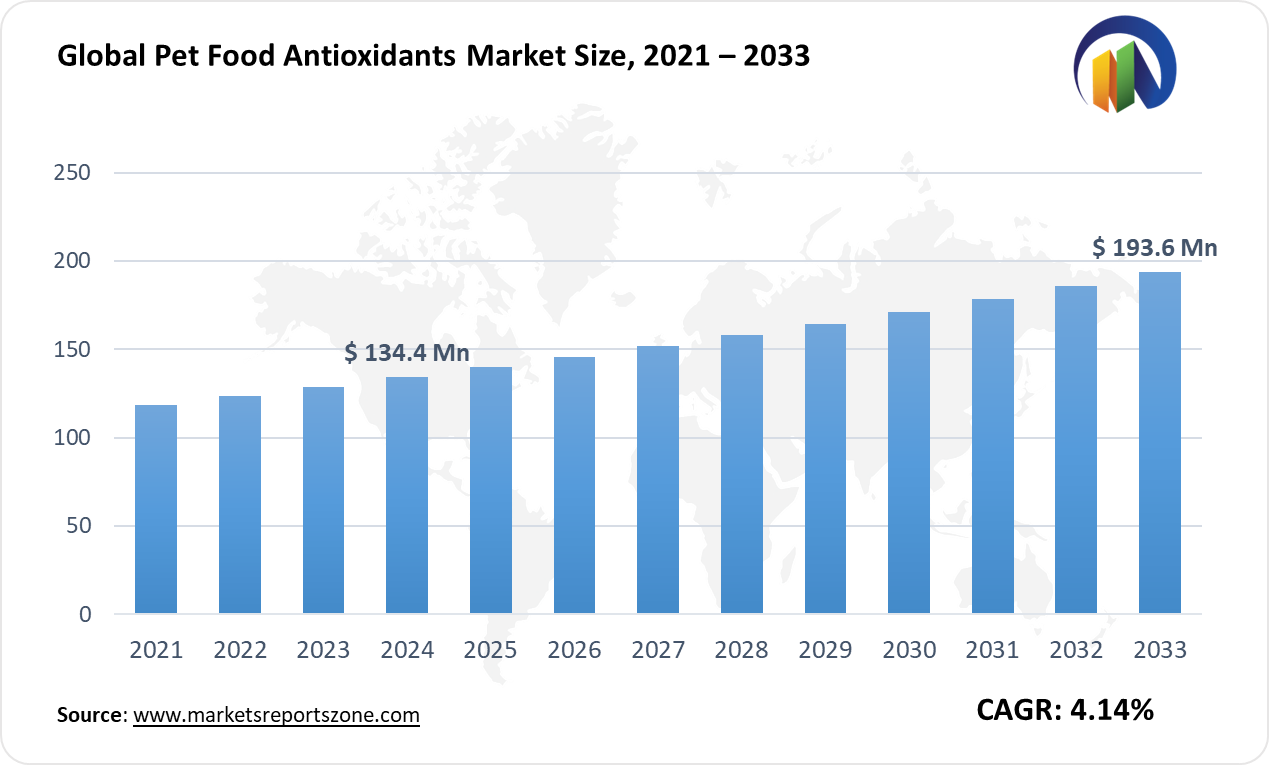
Driver: Rising Pet Ownership Boosts Demand
Pet adoption has surged globally, increasing the need for high-quality pet food. More families and individuals now consider pets as part of their household. This shift has driven demand for nutritious food with added antioxidants for better pet health. Owners seek food that enhances immunity and longevity. Growing humanization of pets has led to a preference for premium diets. Antioxidants like tocopherols and carotenoids help prevent cell damage and aging in pets. Brands focus on formulations that support active lifestyles. For instance, Royal Canin offers antioxidant-rich food tailored for different life stages. Purina Pro Plan includes beta-carotene and selenium for stronger immune systems.
The trend is particularly strong in urban areas where pet parents prioritize convenience and quality. Subscription-based pet food services have emerged, offering antioxidant-fortified meals. Companies promote antioxidant benefits through social media and pet care blogs. Consumers actively seek natural options over synthetic additives. As pet longevity becomes a priority, the demand for antioxidant-enhanced diets grows. The market sees continuous innovation to meet evolving pet owner expectations. Rising pet ownership remains a key driver shaping the pet food industry’s future. The focus on pet well-being ensures sustained growth for antioxidant-infused pet food.
Key Insights:
- The global pet adoption rate has risen to approximately 70% in developed countries, driven by increasing pet humanization.
- Investments in pet food innovation by major companies, including antioxidant formulations, have surpassed $1.5 billion in the last five years.
- Government funding for pet nutrition research and safety standards has reached $200 million, supporting the development of healthier pet food options.
- Over 15 million tons of pet food, including antioxidant-infused variants, are produced annually worldwide to meet growing demand.
- The penetration rate of natural antioxidants in premium pet food has exceeded 40%, as pet owners prefer clean-label ingredients.
- Pet supplement sales, including antioxidant-based formulations, have grown by over 25% year-over-year, reflecting increased pet health awareness.
- Online pet food sales, including antioxidant-rich products, now account for over 35% of total pet food sales, driven by convenience and e-commerce growth.
- Leading pet food brands have reported double-digit revenue growth in their antioxidant-fortified product lines due to rising consumer demand.
Segment Analysis:
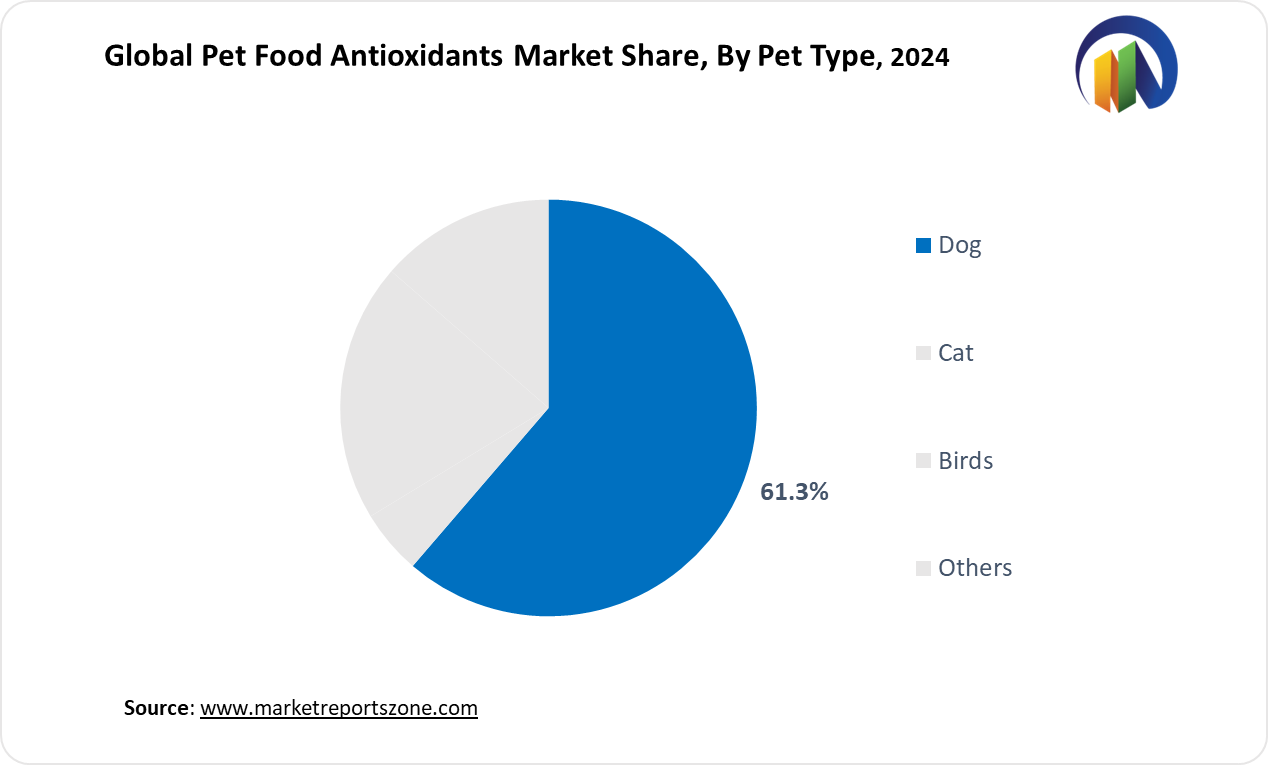
The pet food antioxidants market is diverse, segmented by antioxidant type and pet type. Carotenoids and tocopherols are widely used due to their natural benefits. Botanical extracts like green tea and rosemary are gaining traction for their anti-aging properties. Vitamins such as C and E help boost immunity in pets. Synthetic antioxidants like BHT, BHA, and ethoxyquin extend shelf life, though demand for natural alternatives is increasing. Propyl gallate is commonly used in combination with other antioxidants for enhanced stability. Dogs dominate the market due to their high nutritional needs, followed by cats requiring taurine-rich antioxidant diets. Birds benefit from carotenoid-based antioxidants, enhancing feather color and overall health. Exotic pets also require specialized antioxidant formulations. Brands innovate to cater to different pet needs. For instance, IAMS offers vitamin-rich formulas for dog joint health, while Whiskas includes antioxidants for feline heart health. Kaytee provides antioxidant-infused bird food for vibrant plumage. Companies focus on balancing preservation and nutrition, ensuring safety and efficacy. Custom formulations for breed-specific and age-specific needs continue to grow. As pet health awareness rises, the demand for tailored antioxidant solutions strengthens, shaping the future of pet nutrition with scientifically backed formulations and premium quality ingredients.
Regional Analysis:
The pet food antioxidants market varies across regions, driven by pet ownership trends and regulatory standards. North America leads due to high pet adoption and demand for premium pet nutrition. Brands like Blue Wilderness offer antioxidant-rich formulas tailored for aging pets. Europe follows, with strict regulations favoring natural antioxidants over synthetic ones. Companies like Royal Canin focus on clean-label formulations for European pet owners. Asia-Pacific experiences rapid growth, driven by rising disposable incomes and increasing pet adoption. In Japan, Unicharm provides antioxidant-fortified pet food catering to small breed dogs. Latin America sees a surge in demand as pet humanization grows. Companies like Nupec focus on antioxidant-rich food to support pet immunity in hot climates. The Middle East & Africa show steady growth, with premium pet food gaining popularity among urban pet owners. Brands like Biomill introduce antioxidant-infused diets to meet evolving preferences. Online retail expands across all regions, boosting accessibility to high-quality pet food. Customized antioxidant formulations for regional dietary preferences continue to emerge. Companies invest in research to enhance antioxidant effectiveness based on climate and pet species. As awareness increases globally, the demand for antioxidant-enhanced pet food strengthens, shaping market growth across all regions.
Competition Landscape:
Leading companies in the pet food antioxidants market focus on innovation, sustainability, and expanding their global presence. Adisseo and Alltech invest in research to enhance the effectiveness of natural antioxidants, catering to the growing demand for clean-label pet food. Archer Daniels Midland Company (ADM) and Cargill strengthen their portfolios by integrating plant-based antioxidants, responding to consumer preference for botanical extracts. BASF SE and Koninklijke DSM N.V. emphasize vitamin-based antioxidant solutions, ensuring optimal pet nutrition and longevity. Kemin and Nutreco expand their production capabilities to meet increasing demand for functional pet food, introducing antioxidant-infused formulas targeting specific health concerns. Novus International and Oxiris Chemical focus on improving pet food shelf stability through advanced synthetic antioxidants like BHT and BHA, balancing preservation with safety. Perstorp pioneers sustainable antioxidant solutions, reducing environmental impact while maintaining efficacy. Recent developments include strategic partnerships and acquisitions to enhance supply chain efficiency. Companies launch customized antioxidant blends for different pet types and life stages. Investments in digital marketing and direct-to-consumer platforms increase brand reach. As regulatory frameworks evolve, leading players prioritize compliance, research, and sustainable sourcing. The market remains competitive, with continuous innovation shaping the future of pet food antioxidants.
Pet Food Antioxidants Market Report Scope
| Report Attribute | Details |
|---|---|
| Market Size Value in 2024 | USD 134.5 Million |
| Revenue Forecast in 2033 | USD 193.8 Million |
| Growth Rate | CAGR of 4.14% from 2025 to 2033 |
| Historic Period | 2021 - 2024 |
| Forecasted Period | 2025 - 2033 |
| Report Coverage | Revenue forecast, company ranking, competitive landscape, growth factors, and trends |
| Regions Covered | North America; Europe; Asia Pacific; Latin America; Middle East & Africa |
| Countries Covered | U.S.; Canada; Mexico, UK; Germany; France; Spain; Italy; Russia; China; Japan; India; South Korea; Australia; Southeast Asia; Brazil; Argentina; Saudi Arabia; UAE; South Africa |
| Key companies profiled | Adisseo; Alltech; Archer Daniels Midland Company; BASF SE; Cargill; Caldic; Kemin; Koninklijke DSM N.V.; Nutreco; Novus International; Oxiris Chemical; Perstorp; Others |
| Customization | Free report customization (equivalent up to 8 analysts working days) with purchase. Addition or alteration to country, regional & segment scope. |
The Global Pet Food Antioxidants Market report is segmented as follows:
By Antioxidant Type,
- Carotenoids
- Tocopherols
- Botanical Extracts
- Vitamins
- BHT
- BHA
- Ethoxyquin
- Propyl Gallate
- Others
By Pet Type,
- Dog
- Cat
- Birds
- Others
By Region,
- North America
- U.S.
- Canada
- Mexico
- Europe
- UK
- Germany
- France
- Spain
- Italy
- Russia
- Rest of Europe
- Asia Pacific
- China
- Japan
- India
- South Korea
- Australia
- Southeast Asia
- Rest of Asia Pacific
- Latin America
- Brazil
- Argentina
- Rest of Latin America
- Middle East & Africa
- Saudi Arabia
- UAE
- South Africa
- Rest of Middle East & Africa
Key Market Players,
Frequently Asked Questions
How big is the Pet Food Antioxidants market?
The Global Pet Food Antioxidants Market was valued at USD 134.5 Million in 2024 and is projected to reach USD 193.8 Million by 2033.
What is the Pet Food Antioxidants market growth?
The Global Pet Food Antioxidants Market is expected to grow at a compounded annual growth rate of 4.14% between 2024 and 2033.
Which region has the largest market share in Pet Food Antioxidants market?
The North America holds the largest market share in the global Pet Food Antioxidants Market in 2024.
Who are the key players in Pet Food Antioxidants market?
Key players profiled in the global Pet Food Antioxidants market are Adisseo; Alltech; Archer Daniels Midland Company; BASF SE; Cargill; Caldic; Kemin; Koninklijke DSM N.V.; Nutreco; Novus International; Oxiris Chemical; Perstorp; Others.