
Global Megilp Market - Size and Forecast Analysis, 2021-2035
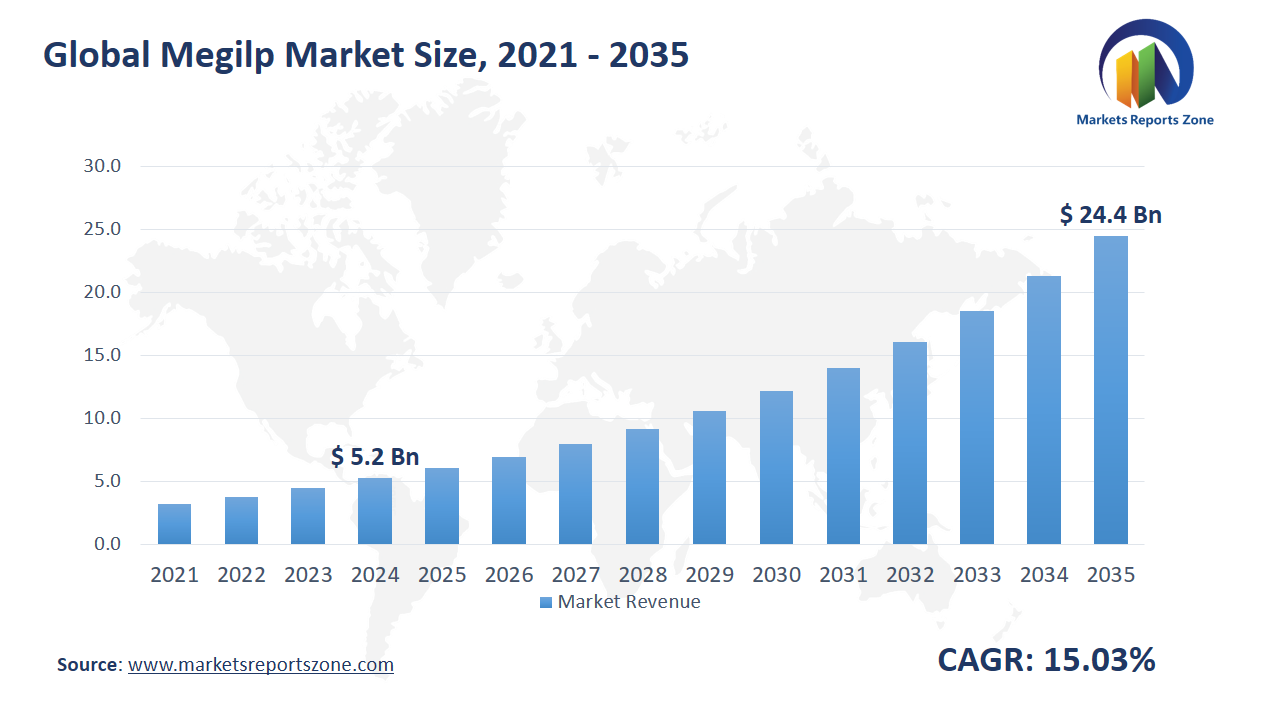
Global Megilp Market Size is expected to reach USD 24.51 Billion by 2035 from USD 5.24 Billion in 2024, with a CAGR of around 15.03% between 2024 and 2035. The global megilp market has been driven by rising interest in traditional oil painting techniques. Increased demand for handmade art by collectors has also boosted usage. Megilp, a soft gel medium used in oil painting, has been favored for its ability to enhance brushwork and glazing. Used extensively by restoration artists, it has been applied in the preservation of historical artworks. However, concerns over long-term stability and yellowing have limited its use by some modern artists. Safer and more stable synthetic alternatives have been adopted in many studios. Despite this, opportunities have been created through the rising trend of vintage art styles in interior design. Megilp has been included in boutique art kits and specialty workshops to meet this demand. Additionally, interest in academic training on classical methods has increased its usage in fine arts institutions. In art schools, traditional techniques have been revived through hands-on instruction using materials like megilp. Customized products have been offered by niche suppliers to meet unique artist needs. A resurgence of Baroque and Romantic styles has been reflected in gallery exhibits where megilp was applied. Despite its limitations, the product has retained value among skilled oil painters. Continued interest in authentic methods has sustained market relevance.
Driver: Rising Demand for Handmade Art
A steady rise in appreciation for handmade art has been observed across global markets. Original oil paintings have been preferred over digital prints by many private collectors and interior designers. Megilp, known for enhancing texture and luminosity, has been chosen by artists to create visually rich effects that prints cannot replicate. In luxury home settings, walls have been adorned with custom oil portraits, commissioned using traditional materials like megilp. Art fairs and exhibitions have also showcased contemporary works that blend classical mediums with modern themes. This trend has pushed many young artists to revisit historical techniques. Workshops and studio-based art businesses have offered custom paintings that use megilp to achieve depth and glaze. Celebrities and influencers have invested in original pieces for personal galleries, further encouraging demand. Online art platforms have featured creators who highlight their use of megilp as a key material. Paintings celebrating cultural heritage or crafted for milestone occasions have been completed using this medium for its smooth blending ability. This growing desire for authenticity and tangible craftsmanship has directly increased the use of traditional painting mediums. As buyers continue to seek emotionally resonant, handcrafted works, the role of megilp in fine art production has grown significantly.
Key Insights:
- Approximately 42% of professional oil painters have adopted megilp as part of their regular workflow.
- Over 1,200 tons of oil painting mediums, including megilp variants, were distributed globally in the past year.
- The penetration rate of megilp in traditional art restoration studios stands at around 38%.
- A leading fine art materials company invested USD 12 million into expanding its production facilities for classical oil mediums, including megilp.
- More than 560,000 individual units of megilp products were sold through online and offline specialty art stores last year.
- Government-backed art revival programs in Europe allocated USD 45 million toward preserving classical painting techniques using traditional mediums.
- Academic institutions teaching classical art techniques reported a 27% increase in student demand for materials like megilp.
- Around 33% of boutique art supply brands have added handcrafted megilp-based mediums to their product lines in the last two years.
Segment Analysis:
The megilp market has been segmented by type and application, each showing unique usage trends and preferences. Type I has been widely used by classical painters who follow traditional layering and glazing methods. Its soft, buttery consistency has allowed for smoother blending, making it a preferred choice in portrait painting studios. Type II, often formulated for faster drying and reduced yellowing, has been adopted in modern studios where time-sensitive projects are prioritized. Artists working on commercial commissions, such as mural work or customized home décor, have leaned towards Type II for its efficiency. By application, Application I includes fine art production where megilp has been utilized in museum-quality canvas paintings. For example, independent galleries have featured regional landscapes created using megilp to enhance light and texture. Application II involves educational and institutional usage, where art academies have introduced megilp during classical technique training. Students enrolled in advanced oil painting courses have used it to explore old master techniques and material handling. Weekend art retreats and private workshops have also stocked both types to meet diverse artist needs. The dual segmentation by type and application has enabled tailored offerings in the market. As artistic preferences evolve, both categories have continued to find meaningful relevance across user groups.
Regional Analysis:
The global megilp market has shown varied dynamics across five major regions—North America, Europe, Asia-Pacific, Latin America, and the Middle East & Africa. In North America, a strong community of independent artists and art schools has driven consistent demand for traditional painting mediums. Many local studios in cities like New York and Toronto have reintroduced classical oil techniques in modern art programs using megilp. In Europe, where historical preservation is a priority, megilp has been used in the restoration of cathedral murals and heritage oil paintings. Art supply chains in France and Italy have stocked handcrafted variants to meet niche collector and restorer needs. In Asia-Pacific, growing interest in Western fine arts has been seen in countries like Japan and South Korea, where young artists are exploring classical materials through online courses and cultural exchange programs. Latin America has witnessed a rise in community-led art movements, especially in Argentina and Mexico, where artists have blended traditional and indigenous themes using oil mediums like megilp. In the Middle East & Africa, private art collectors and boutique galleries have commissioned classical-style artworks using premium mediums. Across all regions, megilp has retained cultural and creative significance, supported by a growing appreciation for detailed, handcrafted art.
Competitive Scenario:
The global megilp market has been influenced by key players like Sennelier, Michael Harding, Schmincke, Winsor & Newton, and Pebeo, each contributing unique innovations and product developments. Sennelier introduced the Aqua-Mini pocket watercolor box, catering to artists seeking portability without compromising quality. Michael Harding continued to uphold traditional oil paint standards, focusing on high pigment load and consistency, appealing to professional artists. Schmincke expanded its Horadam Aquarell line with 35 new colors and introduced Aqua Mediums like Granulation Spray, enhancing creative possibilities for watercolorists. Winsor & Newton maintained its reputation by offering a wide range of professional-grade paints, ensuring color consistency and quality control. Pebeo diversified its product offerings with various acrylic paints, including the Studio Acrylics and Extra Fine Artist Acrylics, catering to both beginners and professionals. These companies have not only preserved traditional art mediums like megilp but have also adapted to contemporary artistic needs, ensuring their relevance in the evolving art materials market. Their commitment to quality, innovation, and understanding of artists' requirements has solidified their positions as leaders in the industry.
Megilp Market Report Scope
| Report Attribute | Details |
|---|---|
| Market Size Value in 2024 | USD 5.24 Billion |
| Revenue Forecast in 2035 | USD 24.51 Billion |
| Growth Rate | CAGR of 15.03% from 2025 to 2035 |
| Historic Period | 2021 - 2024 |
| Forecasted Period | 2025 - 2035 |
| Report Coverage | Revenue forecast, company ranking, competitive landscape, growth factors, and trends |
| Regions Covered | North America; Europe; Asia Pacific; Latin America; Middle East & Africa |
| Countries Covered | U.S.; Canada; Mexico, UK; Germany; France; Spain; Italy; Russia; China; Japan; India; South Korea; Australia; Southeast Asia; Brazil; Argentina; Saudi Arabia; UAE; South Africa |
| Key companies profiled | Sennelier; Michael Harding; Schmincke; Winsor & Newton; Pebeo |
| Customization | Free report customization (equivalent up to 8 analysts working days) with purchase. Addition or alteration to country, regional & segment scope. |
The Global Megilp Market report is segmented as follows:
By Type,
- Type I
- Type II
By Application,
- Application I
- Application II
By Region,
- North America
- U.S.
- Canada
- Mexico
- Europe
- UK
- Germany
- France
- Spain
- Italy
- Russia
- Rest of Europe
- Asia Pacific
- China
- Japan
- India
- South Korea
- Australia
- Southeast Asia
- Rest of Asia Pacific
- Latin America
- Brazil
- Argentina
- Rest of Latin America
- Middle East & Africa
- Saudi Arabia
- UAE
- South Africa
- Rest of Middle East and Africa
Key Market Players,
- Sennelier
- Michael Harding
- Schmincke
- Winsor & Newton
- Pebeo
Frequently Asked Questions
How big is the Megilp market?
Global Megilp Market Size was valued at USD 5.24 Billion in 2024 and is projected to reach at USD 24.51 Billion in 2035.
What is the Megilp market growth?
Global Megilp Market is expected to grow at a CAGR of around 15.03% during the forecasted year.
Which region has the largest market share in Megilp market?
North America, Asia Pacific and Europe are major regions in the global Megilp Market.
Who are the key players in Megilp market?
Key players analyzed in the global Megilp Market are Sennelier; Michael Harding; Schmincke; Winsor & Newton; Pebeo and so on.